


Retaining Expansion for 6 Months After Maxillary Expansion
Why We Keep the Maxillary Expander in Place for 6 Months: Understanding the Science for Parents
As parents, navigating your child's orthodontic journey can feel overwhelming—especially when it involves appliances like a maxillary expander. If your growing child has just completed the active expansion phase to correct a posterior crossbite or narrow upper jaw, you might wonder:
Why do we need to keep the expander in place for up to 6 months afterward? This retention period isn't arbitrary; it's grounded in scientific evidence from clinical studies and systematic reviews.
In this blog post, we'll break down the process, the biology behind it, and why this timeline helps ensure long-lasting results. Let's dive in!
What Is Maxillary Expansion and Why Do Kids Need It?
Maxillary expansion, often called rapid maxillary expansion (RME) or slow maxillary expansion (SME), is a common orthodontic treatment for children with a narrow upper jaw or posterior crossbite—where the upper teeth bite inside the lower teeth. This can lead to issues like crowded teeth, breathing difficulties, or even facial asymmetry if left untreated.
The expander appliance (like a Haas or Hyrax device) is cemented to the upper molars and gently widens the palate by separating the midpalatal suture—a soft, fibrous joint in the roof of the mouth that hasn't fully fused in growing children, typically under 14-15 years old).
During the active phase, which lasts a few weeks, the suture opens, creating space for proper alignment and bite correction. But once expansion is complete, the real magic (and science) happens during retention.
The Science of Retention: Why We Can't Just Remove the Expander Right Away
After expansion, the midpalatal suture is like a freshly stretched rubber band—it wants to snap back if not held in place. This is called relapse, and it's a natural response as the body tries to return to its original state.
The key goal of retention is to allow new bone to form and stabilize the expanded suture, turning that temporary gap into solid, permanent structure.
Bone Remodeling and Ossification: The Biological Process
Our bones are dynamic tissues that constantly remodel through a process involving osteoclasts (cells that break down bone) and osteoblasts (cells that build new bone). When the expander opens the suture, it creates a space filled with soft tissue and early bone precursors. Over time—typically 3-6 months—this area ossifies, or hardens into mature bone.
Studies show that rushing removal can lead to significant relapse, with up to 10% loss of the gained width in the first six months post-removal, especially in older children where growth is slowing.
Systematic reviews of clinical trials emphasize that a retention period of at least 6 months minimizes this risk. For instance, one comprehensive analysis of studies on growing patients found that retention ranging from 5 to 16 months (using fixed appliances like the expander itself or removable ones like a Hawley retainer) resulted in minimal changes in intermolar and intercanine distances during short-term follow-up.
Relapse rates dropped to as low as 1-3% with proper retention, compared to higher rates without it.Why 6 months specifically? Research indicates that initial bone consolidation happens within the first 3 months, but full stability often requires an additional 3 months to account for ongoing remodeling and natural growth forces.
In some protocols, the expander stays in as a passive retainer for this entire period, while others switch to alternatives like a transpalatal arch after 3 months. Factors like your child's age, the amount of expansion needed, and compliance play a role—younger kids (around 7-10 years) often stabilize faster due to active growth.
Evidence from Long-Term Studies
Longer-term data is encouraging: About 70-80% of the transverse gains from expansion hold up over 3+ years, with no major skeletal or periodontal issues when followed by retention and comprehensive orthodontics.
One review noted that while normal growth during the short active expansion phase (about 30 days) is minimal, it must be factored into retention to prevent any unintended narrowing.
Overcorrecting slightly during expansion (by 1-2 mm) is a common strategy to buffer against minor relapse.
What to Expect During the 6-Month Retention Phase
During retention, the expander is no longer activated—it's just holding everything steady. Your child might wear it full-time initially, then transition to nighttime use if a removable retainer is involved. Regular check-ups with the orthodontist, including X-rays to monitor suture healing, ensure progress. Side effects like initial discomfort fade, and most kids adapt quickly.
This phase isn't just about stability; it supports overall facial development, better breathing, and sets the stage for future braces if needed. By preventing relapse, we avoid retreatment, saving time and stress for everyone.
Final Thoughts: Trusting the Science for Your Child's Smile
The 6-month retention recommendation after maxillary expansion is backed by decades of research, from randomized trials to systematic reviews, showing it strikes the perfect balance between effectiveness and minimal intervention.
As a parent, knowing the "why" behind it can make the process less daunting. Every child is unique, so always consult your orthodontist for personalized advice. With patience and science on our side, your little one's smile is on its way to being wider, healthier, and more confident!
If you have questions please reach out to our office. Thanks for reading!
You might Also Like

Does my child need braces?
Summary:Wondering if your 8-year-old needs braces? Most children this age don’t require full braces yet, but the American Association of Orthodontists recommends an evaluation by age 7. An orthodontist can identify crowding, bite issues, or jaw problems and determine if short early treatment is beneficial or if simple monitoring is best. The best next step is to schedule a consultation for personalized advice and peace of mind.
Read More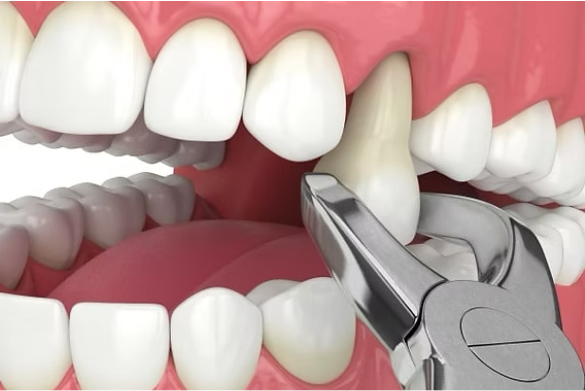
Extraction vs. Non-Extraction Orthodontics
Orthodontists debate whether to extract teeth (usually premolars) for space or treat without extractions using expansion. Extractions suit severe crowding or protrusion; non-extractions preserve all teeth and often support fuller smiles. University of Washington long-term studies (10–30+ years follow-up) by Dr. Robert Little found similar post-treatment relapse in lower front teeth crowding for both groups. Long-term stability depends more on good finishing and lifelong retention than on extracting or not. Both approaches yield excellent results when properly chosen for the patient.
Read More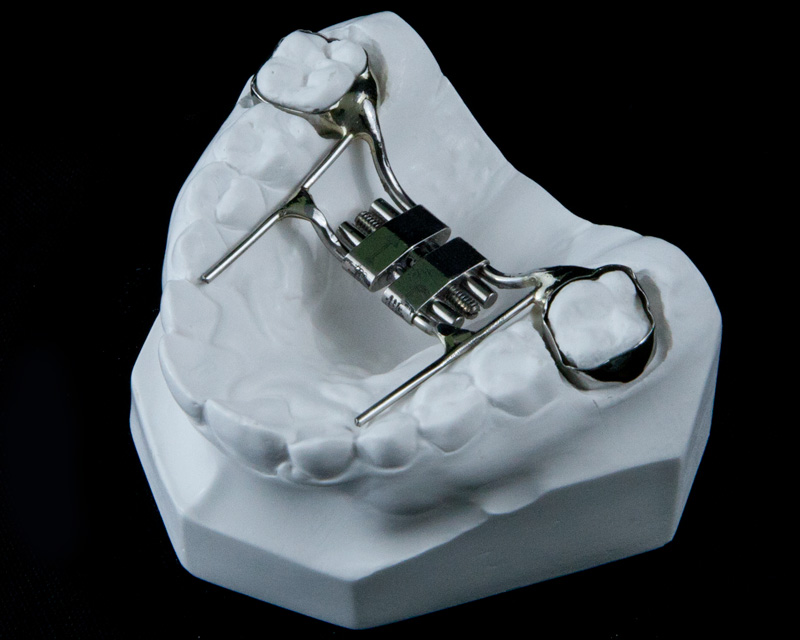
Retaining Expansion for 6 Months After Maxillary Expansion
The 6-month retention phase after maxillary expansion is backed by research to prevent relapse and ensure lasting stability in growing children. It allows the opened midpalatal suture to fully ossify and remodel into solid bone, with studies showing that 6 months with a fixed appliance (like the expander) keeps relapse as low as 1-3% and preserves most of the gained width long-term. This evidence-based duration helps secure your child’s improved bite, breathing, and smile without the need for retreatment.
Read More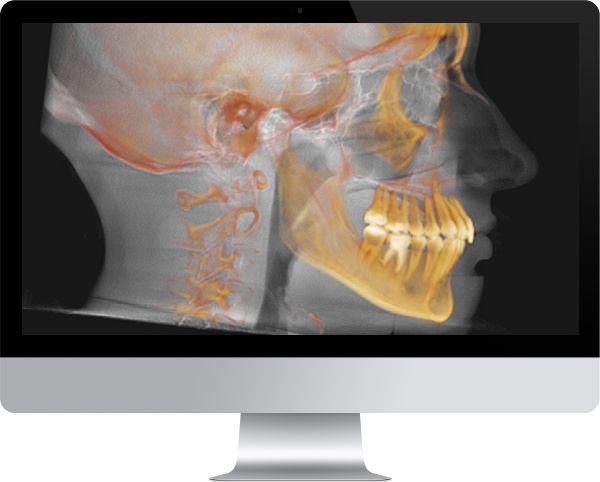
What is i-CAT Cone Beam 3D Imaging?
We utilize the advanced i-CAT Cone Beam 3D Imaging System to enhance orthodontic and pediatric dental care. This cutting-edge technology provides detailed, distortion-free 3D images of teeth, jaws, and airways, enabling precise diagnoses and personalized treatment plans. With low-dose radiation and quick, comfortable scans, i-CAT is ideal for both children and adults, improving outcomes for complex cases, TMJ issues, and dental development monitoring.
Read More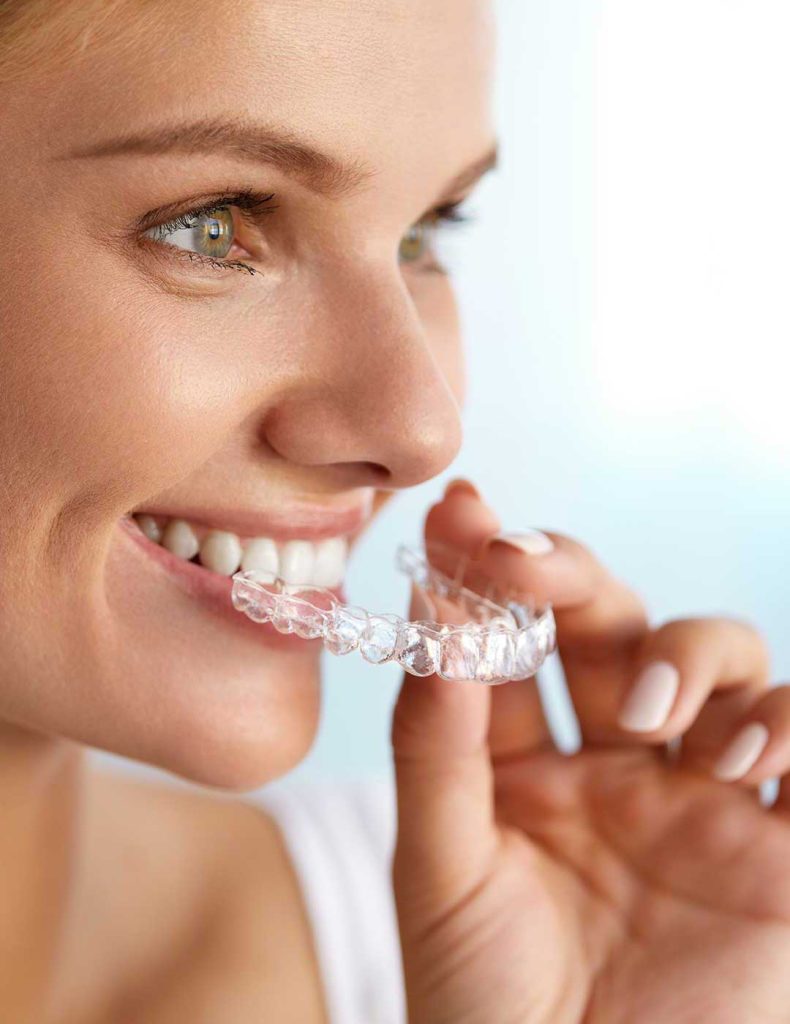
How can patients contribute to a successful Clear Aligner Treatment (Spark/Invisalign)?
A successful clear aligner treatment, such as Spark or Invisalign, relies heavily on patient commitment. By wearing aligners for 20–22 hours daily, maintaining excellent oral hygiene, following the aligner change schedule, attending orthodontist appointments, and using accessories as directed, patients can ensure optimal results. Open communication, proper aligner care, and post-treatment retainer use are also crucial for achieving and maintaining a confident, healthy smile.
Read More
Lower Mandibular Expanders: A Key to Your Child’s Perfect Smile
Lower mandibular expanders help widen a narrow lower jaw in growing children (typically ages 7–12), creating essential space for permanent teeth to erupt straight, reducing crowding, improving bite alignment, and often avoiding extractions or more complex treatments later. These custom appliances—available as fixed (cemented for reliable, nonstop widening) or removable (like the Schwartz expander for easier cleaning)—apply gentle pressure over 3–6 months of active expansion, followed by a stabilization period to let the bone settle and lock in the new shape. By addressing issues like crowding, crossbites, or uneven jaw growth early in “Phase 1” treatment, they promote better chewing, speech, facial balance, and a solid foundation for a healthy, confident smile.
Read More
Orthodontic Treatment for Children: Setting the Stage for a Healthy Smile
As a parent, you want the best for your child—including a confident, healthy smile. Orthodontic treatment for kids isn’t just about straightening teeth; it’s about catching issues early and guiding their growth for a lifetime of benefits. But when’s the right time to start, what problems should you watch for, and what treatments are out there? Let’s walk through it together so you can feel ready to give your little one’s smile the head start it deserves.
Read More
Orthodontic Treatment for Teens: Your Guide to a Stellar Smile
Orthodontic treatment for teens offers options like traditional braces, Damon Braces, clear aligners, and Herbst appliances, with durations typically ranging from 6 months to 2 years depending on the issue. Teens benefit from their growing jaws, achieving straighter teeth, better bites, and boosted confidence, all tailored to fit their busy, style-conscious lives. With the right care, the results—healthier mouths and awesome smiles—last a lifetime.
Read More
Orthodontic Treatment for Adults: It’s Never Too Late for a Perfect Smile
Orthodontic treatment for adults offers various options like traditional braces, Damon Braces, clear aligners, and lingual braces. Adults can achieve straighter teeth, improved bites, and better oral health, though factors like bone density and lifestyle preferences influence the choice of treatment. Modern orthodontics provides discreet, comfortable solutions tailored to adult needs, making it a worthwhile investment at any age.
Read More
Understanding the Herbst Appliance in Orthodontics: A Patient’s Guide
The Herbst appliance, developed over 100 years ago by Emil Herbst, is a fixed orthodontic device that corrects overbites by encouraging lower jaw growth and aligning the jaws and teeth, typically worn for 6-12 months. It’s most effective in growing patients and offers a reliable, non-surgical solution for bite issues, though it requires an adjustment period and diligent oral care.
Read More
Gentle Cavity Treatment for Kids: Exploring SMART & ART Techniques
Atraumatic Restorative Treatment (ART) is a minimally invasive technique that gently removes decay using hand instruments with no drilling or numbing needed. The tooth is then restored with a tooth-colored filling or stainless steel crown for protection. Silver Modified Atraumatic Restorative Technique (SMART) takes ART a step further by applying Silver Diamine Fluoride (SDF) to halt cavity progression before sealing the tooth with a filling or crown.
Read More
What are the benefits of expanders in young patients?
Rapid palatal expansion (RPE) is an effective orthodontic treatment for children aged 7-11, leveraging the unfused midpalatal suture to widen the maxilla, correct crossbites, create dental space, and prevent long-term occlusal and growth issues. Beyond dental benefits, RPE enhances nasal breathing, reduces obstructive sleep apnea symptoms, and may improve hearing, nocturnal enuresis, and vertical growth patterns, offering a high success rate with minimal invasiveness in this age group.
Read More


Mail-in and DIY Teeth Straightening
As a consumer, you will pay less for less. This may be appealing and not a bad treatment for someone that is only worried about "that one tooth" in the front that is rotated or "sticks out a bit." Ten to fifteen aligners may be all that it takes to straighten that guy out!
Read More
